Skip to content
Paxeer X

Sub-chains

A chain of your own,without servers

A sub-chain is a named slice of Paxeer X Network. One transaction gives it a chain ID, its own fees and its own block space.

ROOT 125DOMAIN 1DOMAIN 2DOMAIN 3DOMAIN 4DOMAIN 5
Sample

Launch

One transaction opens a district

Send one payable call to the registry. It checks everything, takes the payment and records the domain as active in one step, or leaves nothing behind.
ROOT 125DOMAIN 3DOMAIN 5DOMAIN 4DOMAIN 4DOMAIN 4, 125000004
Sample
  • 125Root network: chain ID 125
  • 125000000 + nDomain chain ID: 125000000 plus its number, counted from 1
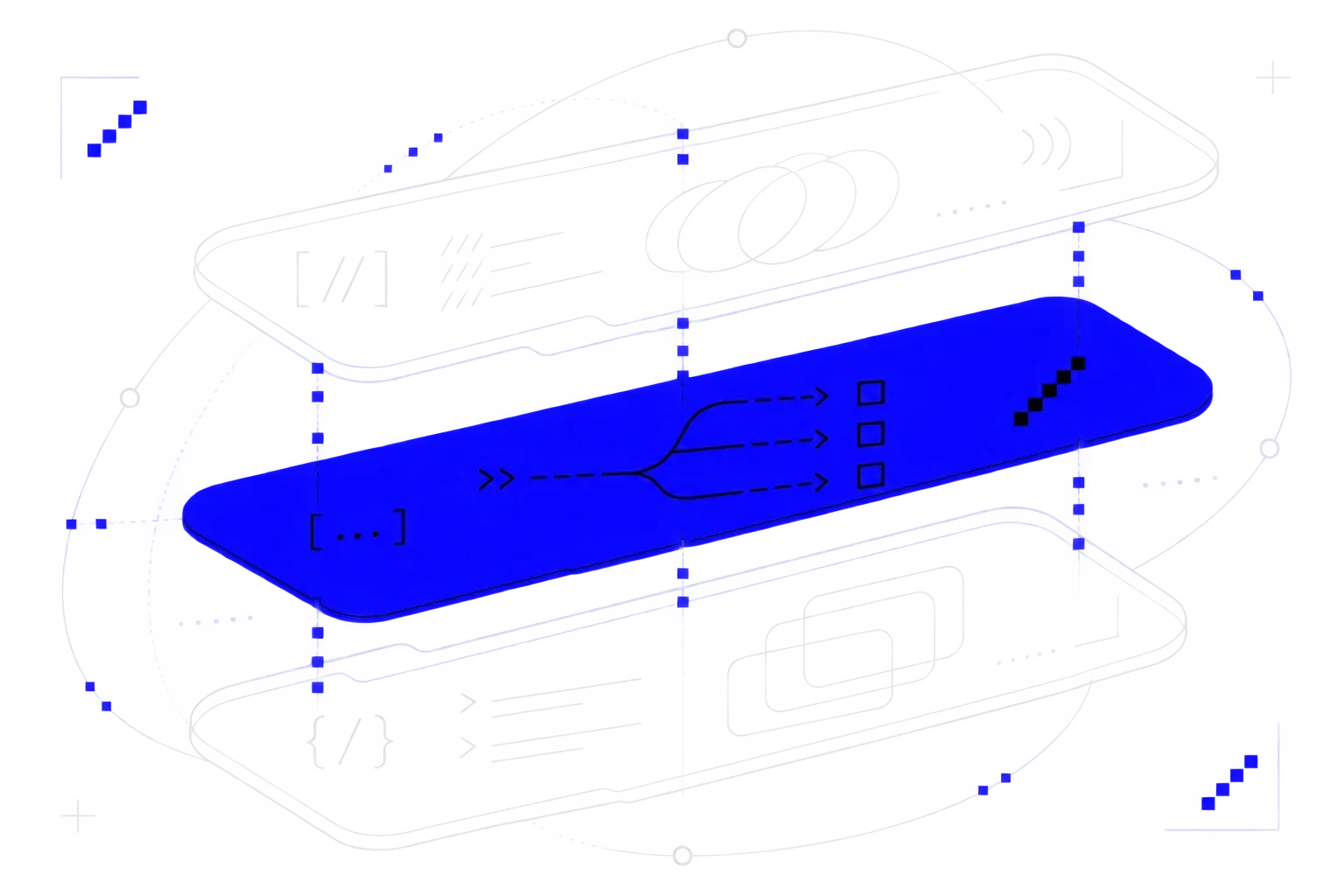
Linework of modules slotting into a frame, one module marked in blue.
Name
3 to 32 lowercase letters, digits or hyphens, with no hyphen at either end. Duplicates are refused.
Gas allowance
How much gas the domain may use in each block.
Byte allowance
How many encoded bytes its transactions may use in each block.
Fee share
The operator's cut of base fees, in basis points.
Payment
The minimum bond plus a one-time creation fee.

The operator and the account that paid can be different addresses. A retired domain keeps its record, so its name stays reserved.

Block space and fees

Space with a ceiling, a fee that is yours

Every domain declares its per-block allowance. Its base fee follows its own usage, so its traffic never moves the root network's fee.

Guaranteed, not unlimited

A domain declares gas and byte allowances inside registry limits. The total of all active domains is capped too, so one tenant cannot crowd out the rest.

A fee that follows you

The base fee rises above half the allowance and falls below it, within the network's fee bounds. Domain traffic is left out of the root base fee calculation.

Admitted or not

A transaction whose gas or size would push its domain past its allowance is not admitted in that block. The LayerX kernel enforces this at admission.
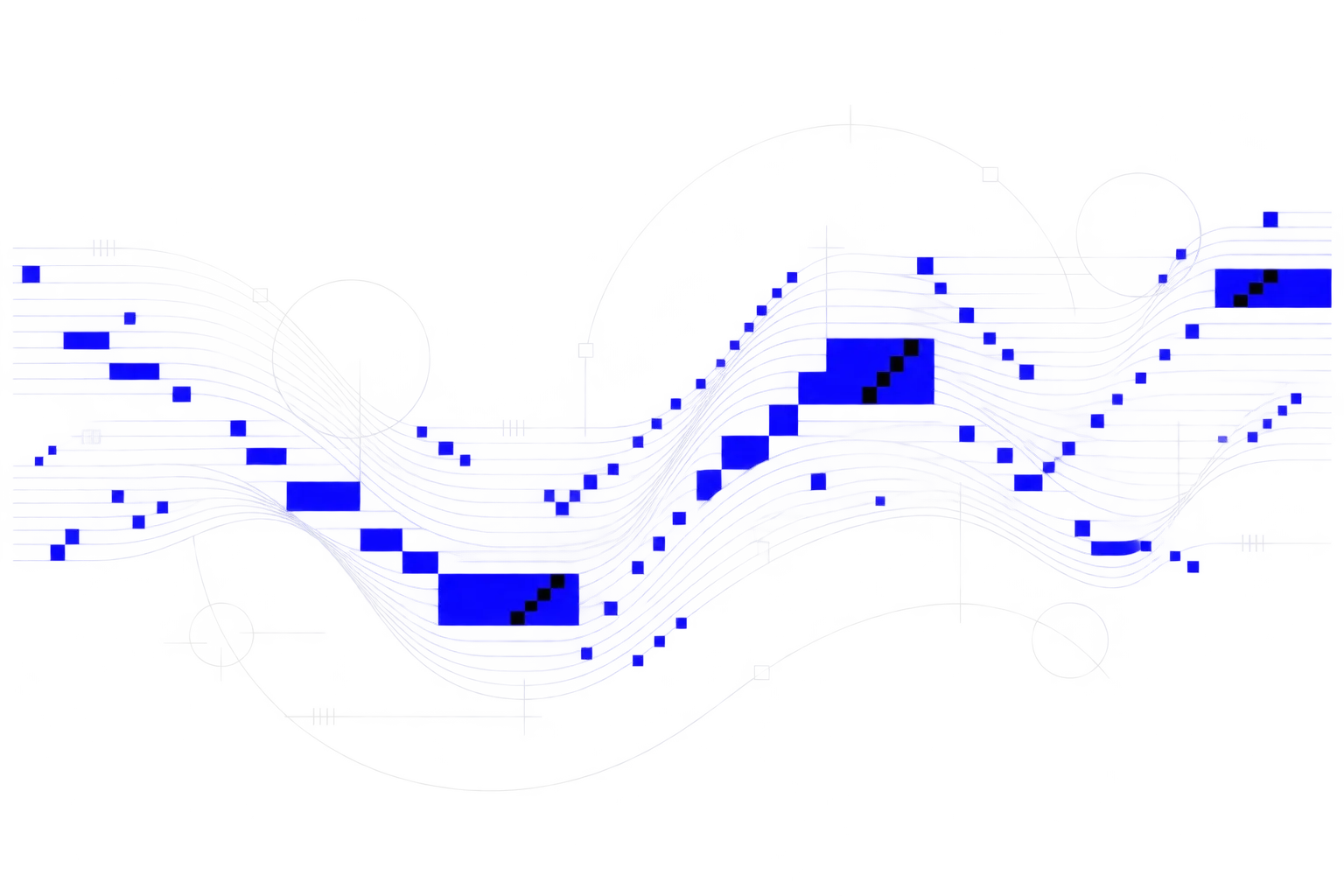
Ruled rows of linework with one row marked in blue, standing for a domain's reserved block space.
  • 250,000 to 4,000,000Gas per block
  • 16,384 to 1,048,576Bytes per block
  • 1,024 at mostDomains
  • 100 PAX and 10 PAXBond and fee

These are the defaults in the code. Read the live values from the registry before launching.

Read the kernel page

Shared base

No new validators. No bridge to build.

A sub-chain is a namespace for identity, fees and block space, not a private execution environment or a separate trust boundary.

  • Orderingdomain transactions join the same global sequence the kernel orders for the root network.
  • Reachwallets use a path on the network's RPC endpoint that returns the domain's chain ID, blocks, receipts and logs.
  • Visibilityregistry events feed the hosted indexer and the explorer's chain pages.

Lifecycle

Pause, hand over, retire

One operator address holds the controls. Retirement is final and returns the whole bond.

Pause and resume
The operator stops new transactions and resumes later, provided capacity remains. Governance can also pause a domain, and the operator cannot undo that.
Hand over
The operator can move to another address, never the zero address. Anyone can add funds to the bond without gaining any rights.
Retire
The domain stops accepting transactions, the bond returns to the operator and the record stays readable.
Who uses it
Product teams and brands for a named chain ID, launchers through the launchpad's chain launch flow, developers with ordinary wallets and no client fork.
A meeting table after dark with empty chairs, an open laptop, notebooks and mugs.
Start building

Register a domain with a standard EVM precompile and any Ethereum wallet.